The upcoming Winter Olympics provide an opportunity to reflect on the relationship between mountains and sport.
Monte San Primo
Also published in: Tsport 366
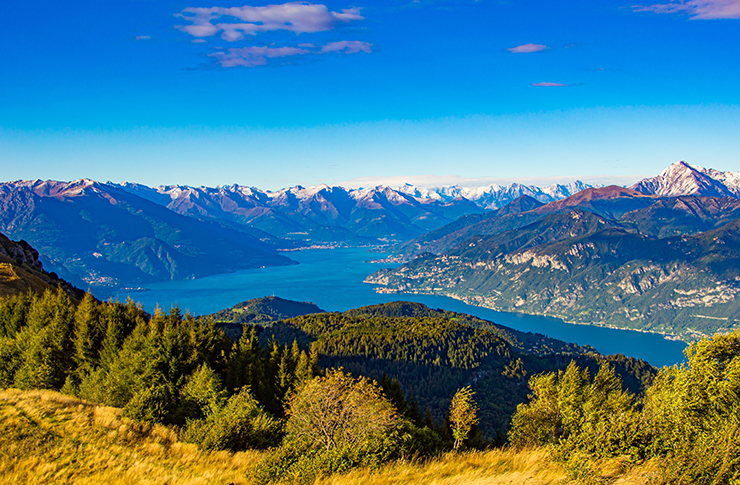
Panoramic view of Lake Como from Monte San Primo (ph. Daniele Mezzadri)
The Winter Olympics in Milan and Cortina are just around the corner, and Italians’ interest will shift from tennis (a sport that is re-emerging in 2025) to snow sports.
As always happens during major sporting events, there will be an increase in demand for places to practise the disciplines seen on TV during the 17 days of the Olympics and 10 days of the Paralympics.
The events surrounding the preparation of the outdoor competition venues have not always been consistent with the much-touted logic of the “green” Olympics and the theme of respect for the mountains: deforestation, land excavation, the creation of reservoirs for artificial snowmaking and the installation of new cable cars have all affected the slopes in the Olympic areas.
After all, respect for the mountains is a principle that easily clashes with the economic vision of the mountains themselves. The Winter Olympics and the concept of outdoor sports converge in this commentary, where we would like to point out that walking in the woods is just as much a sport as skiing down a deforested slope.
A clear example of conflicting attitudes towards the mountains is the development project for Monte San Primo, the highest peak in the Larian triangle, which rises to a maximum of 1,682 metres between the two branches of Lake Como.
Despite the much-discussed global warming and reduction in snowfall in our mountains (especially in an area further mitigated by the presence of the lake), a plan is currently under discussion, promoted by the Comunità Montana del Triangolo Lariano together with the Municipality of Bellagio and financed with over €5 million in public funds, which involves the construction of new ski slopes and artificial snow-making facilities between 1,100 and 1,200 metres above sea level on the shady side of Monte San Primo. This proposal would, apart from the predictable deforestation, require the almost constant use of artificial snowmaking, with the associated costs and consumption of water resources, provided that high temperatures do not prevent this possibility for long periods.
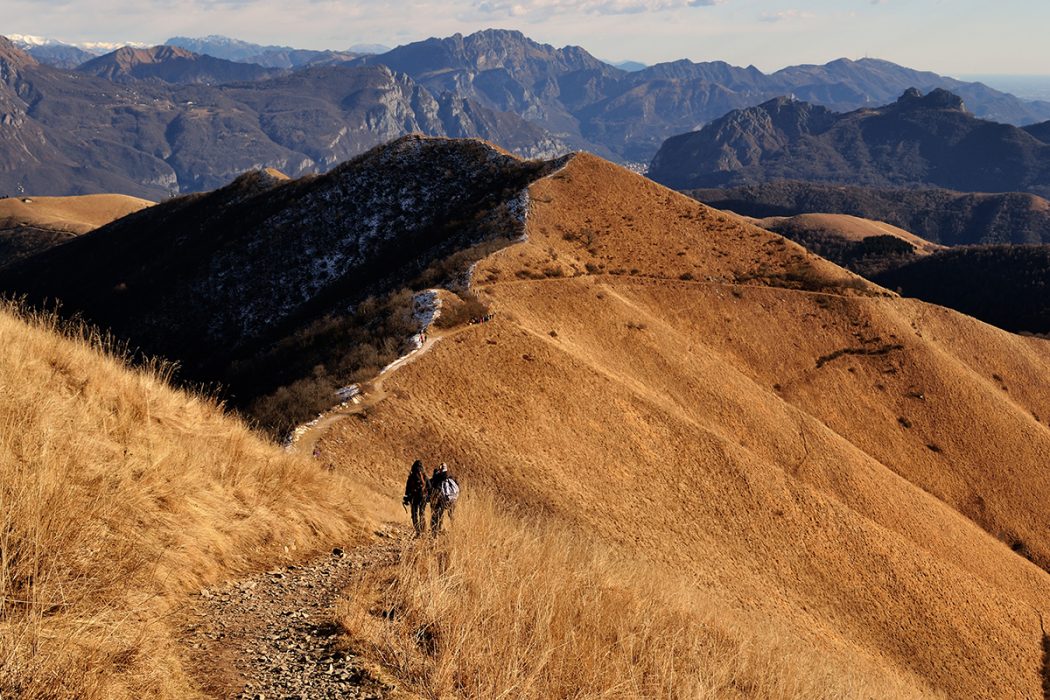
A committee for the protection of Monte San Primo (supported by 39 local associations) was heard by the Lombardy Regional Council last October, finding consensus on the need to remove the ski facilities from the plan and instead initiate a process of protection for the area through the establishment of a park. For now, this is a good sign.
So let’s follow our Winter Olympics, but let’s not forget that the sustainable development of the mountains and the provision of sports, leisure and tourism must be consistent and compatible with the protection of the territory.