Today the competitions, but after what legacy for Milan, Cortina, and the other Olympic mountains?
Legacy
Also published in: Tsport 367
About the facilities on which the Winter Olympics are being held in these rounds, we have already said and written so much.
When the event is over, the topic will open up: what legacy has it left? “Legacy” is a key word in the most recent Olympic bid dossiers.
There is a consensus (one can already read this in the dossier that Milan and Cortina submitted in 2020, looking beyond the slogan “The most sustainable and memorable Winter Games ever, an inspiration to change the lives of future generations”) that the sums must be drawn over the long term.
Indeed, as for new facilities, few have been planned (and there has been far too much discussion about those few); not to mention infrastructure that, as happens regularly in Italy, has almost never been built on time.
For the city of Milan, the inevitable reference is to the experience of Expo 2015, which imprinted the city with an emotional turnaround that translated into visibility, international recognition and a desire to develop events until almost saturation: an enthusiasm that perhaps, after a decade, tended to fade. And that on the ground has been reflected in a positive but not shadowy hyperactivity.
As for mountain resorts, these are expecting a revival in spite of the climate crisis that tends to increasingly reduce the natural snow season.
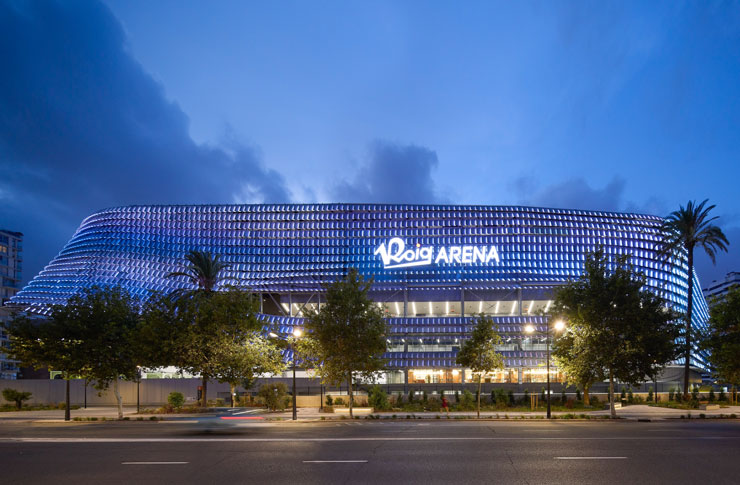
The Turin 2006 experience was a cause for renewal for the city’s soul: somewhat less happy was the outcome, over the course of the distance, of the infrastructure in the mountains, where several facilities have been abandoned over the years. For this day’s event, the only completely new facility is the Santa Giulia Arena in Milan, which was already born with a destiny assigned to non-sports events, while in the Dolomites we are waiting to find out how worthwhile the new bobsled track will be in place of the historic one.
And that’s all for now.