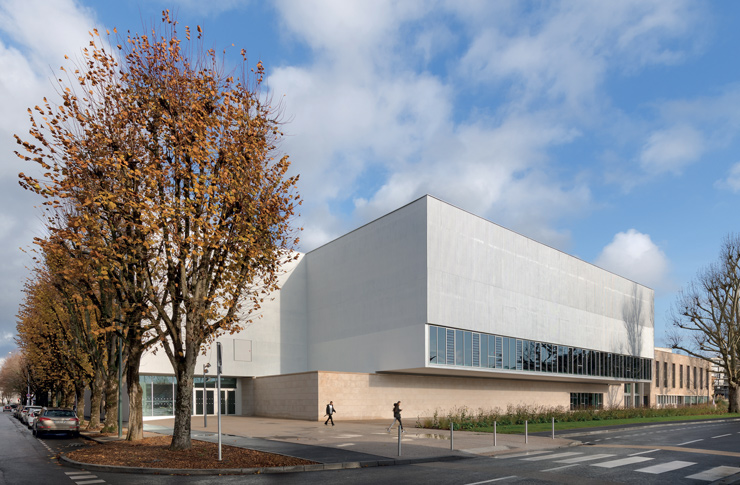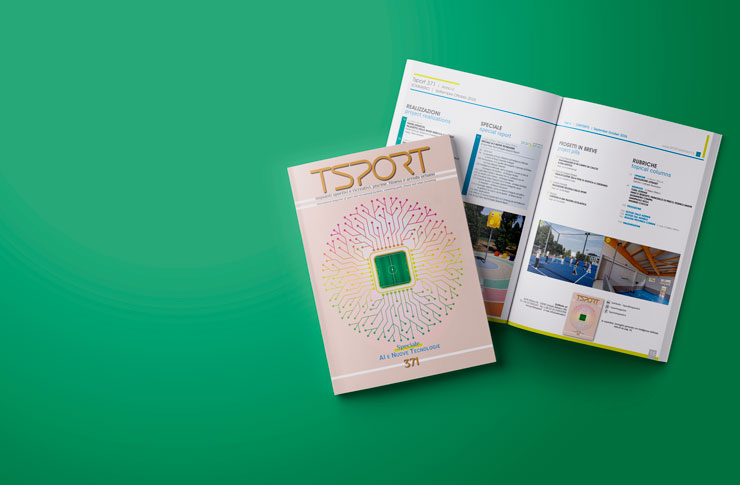
Whilst Artificial Intelligence is revolutionising the world of graphic designers and architects (we discuss this in TSPORT 371), it brings to mind a small revolution dating back to the late 1960s.
Letraset Revolution
Also published in: Tsport 371
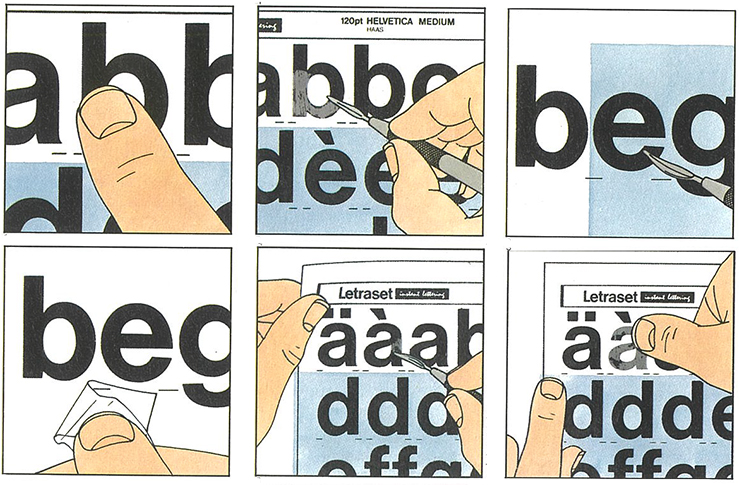
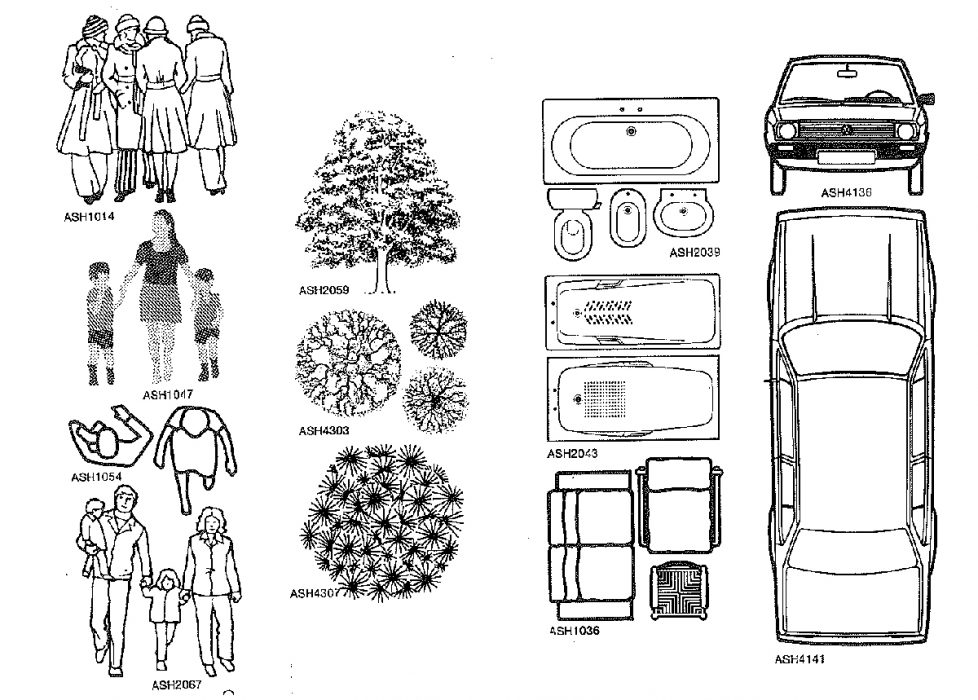
From the 1988 Letraset catalogue.
It was 1962 when a revolutionary innovation burst onto the graphic design scene. Whereas until then, printing text had required a visit to a print shop, and architects still wrote captions by hand on title blocks, the invention by a London-based company gave everyone the chance to compose any text in their chosen typeface by rubbing a translucent sheet with transferable letters printed on the reverse: Letraset transfers.
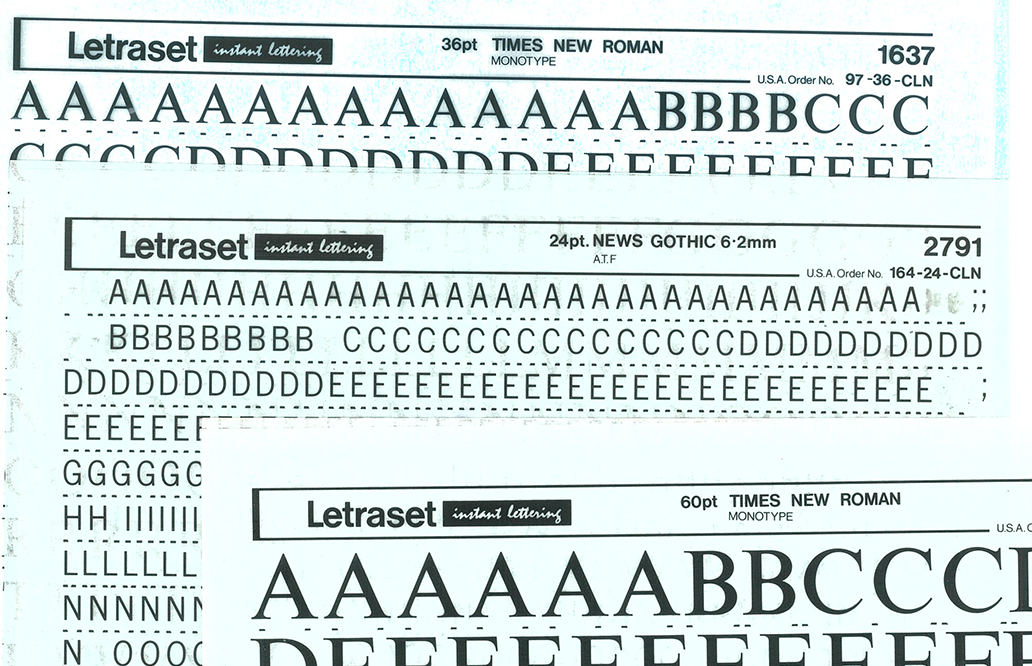
For three decades, the aesthetics of graphic design were shaped by this veritable revolution. Even architectural drawings from those years are recognisable by their use of Letraset, particularly where the aim was to achieve a more typographic effect than the lettering produced by running a nib through the grooves of a stencil.
Alongside typefaces, logos, symbols and a wide range of pre-drawn line art images (human figures, cars, trees) gradually appeared over the years, which could be applied to the working tracing paper simply by rubbing the Letraset sheet, thus avoiding the need for hand-drawing.
Thirty years later, the personal computer arrived, bringing with it a new revolution that introduced not only direct text printing but the whole field of ‘computer-aided design’ (CAD). And the transfer prints disappeared (today they can be found on the vintage market).
This recollection of past ‘revolutions’ has come to mind now that we find ourselves facing a new reality: that of Artificial Intelligence, which promises to revolutionise our activities and, in particular, the professional world to which these pages are primarily addressed.
In the issue no. 371 of Tsport, we have therefore sought to understand what is being said, within our sector, about Artificial Intelligence: through interviews, articles and the first concrete examples. From one revolution to the next.