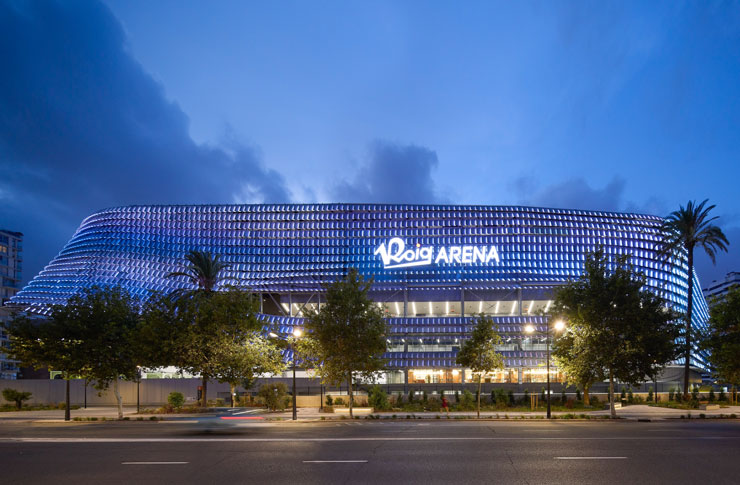

The Special Report published in Tsport 365 compares the size of the largest sports facilities in the world with major international sporting events: and there is not always a correlation between the two.
Special Report: The size of sports facilities
Also published in: Tsport 365
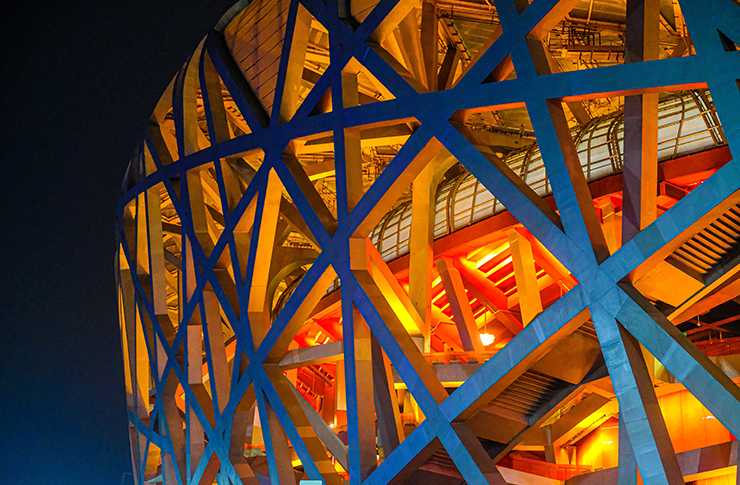
Beijing “bird’s nest” Stadium, built for the 2008 Olympics (Ph. Mister_Knight).
The size of sports facilities
Until the end of the last century, stadiums and sports facilities generally intended for major international events were designed with the aim of accommodating as many spectators as possible.
In recent decades, with the evolution of safety regulations and, at the same time, greater attention to the economic sustainability of sports facilities, the number of seats for the public has gradually decreased in most existing facilities: escape ways, the obligation to identify a defined number of seats in the stands, and compliance with visibility curves have led to the downsizing of spaces that were too easily open to excessive crowding.
Conversely, new constructions, starting from a design approach already oriented towards safety and a predefined economic framework, can more easily be sized according to the maximum expected capacity for the events for which they are intended.
Large stadiums
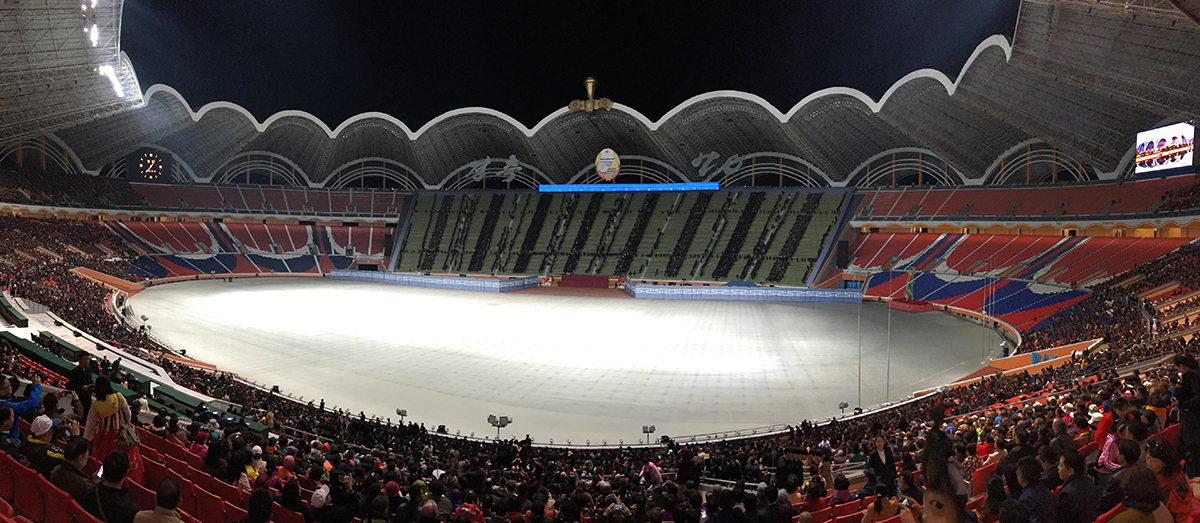
In terms of the number of spectators actually accommodated, the Rungrado May Day Stadium in Pyongyang, North Korea, seems to take first place. the stadium, inaugurated in 1989, has a capacity of 115,000 spectators, but it seems that on 28 and 29 April 1995, it reached a maximum of 190,000 (or, according to other sources, 165,000) people during a wrestling tournament.
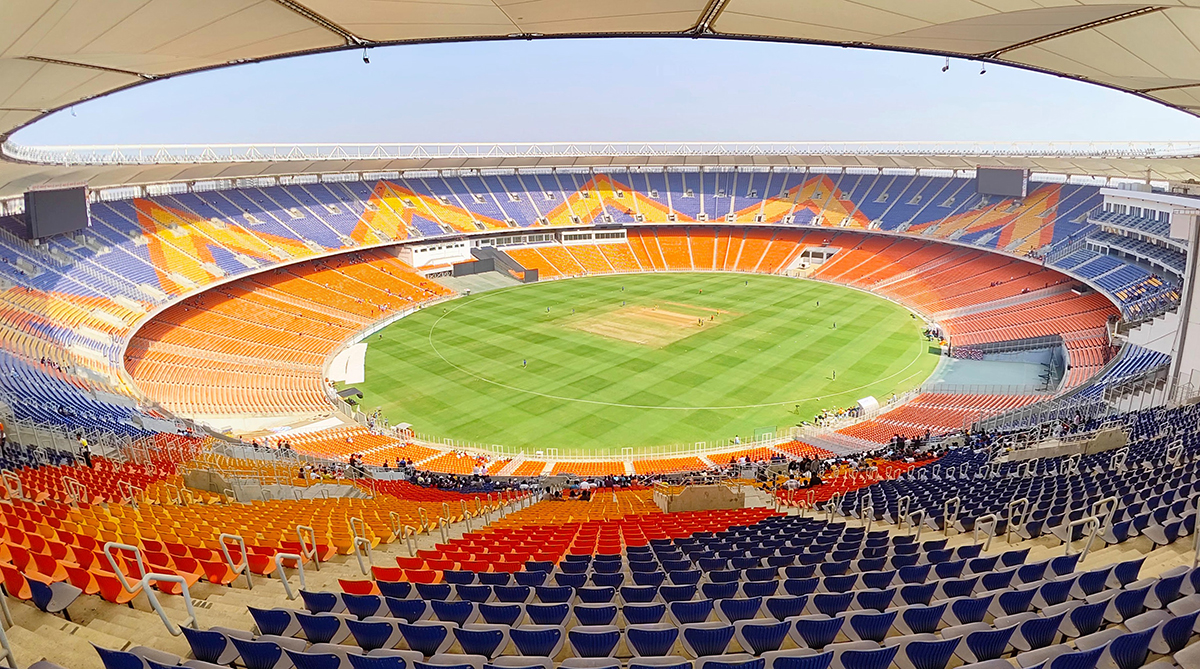
With more reliable data, the largest stadium in the world is likely to be the Narendra Modi Stadium in the city of Ahmedabad, in the Indian state of Gujarat. It is a cricket stadium, built in 2015 to a design by Populous, with a capacity of 130,000.
Limiting ourselves to football stadiums, the Salt Lake Stadium in Kolkata, also in India, can accommodate 120,000 spectators on three elliptical rings.
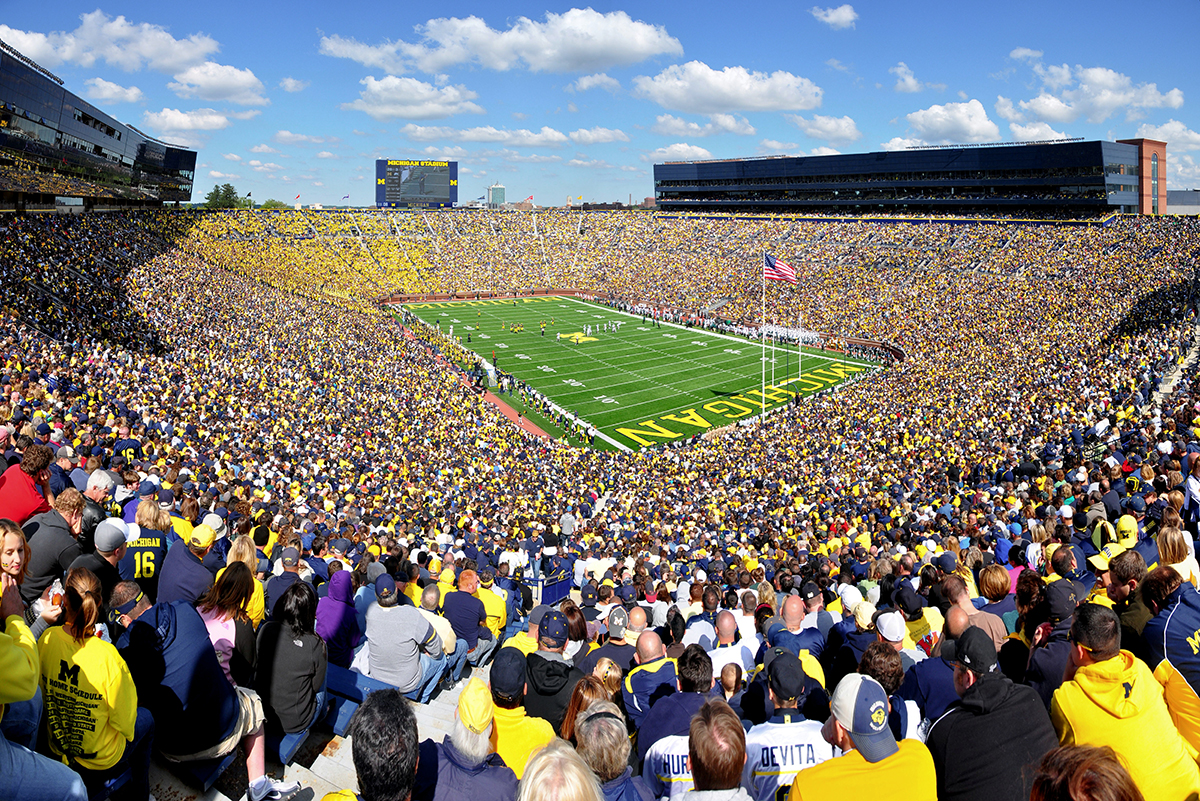
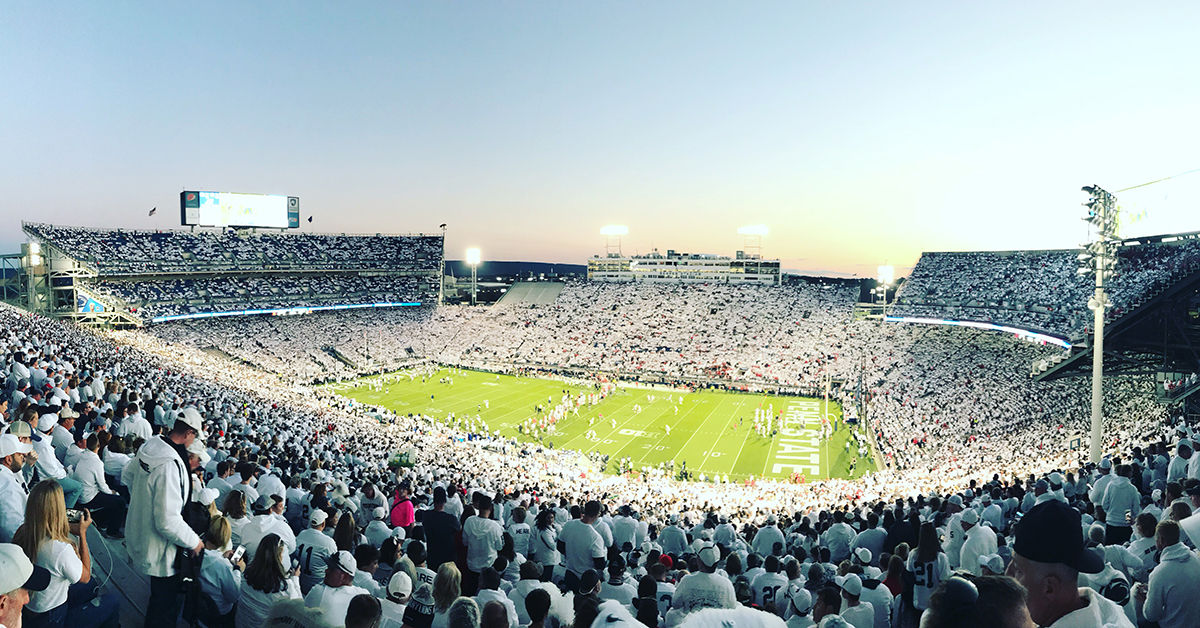
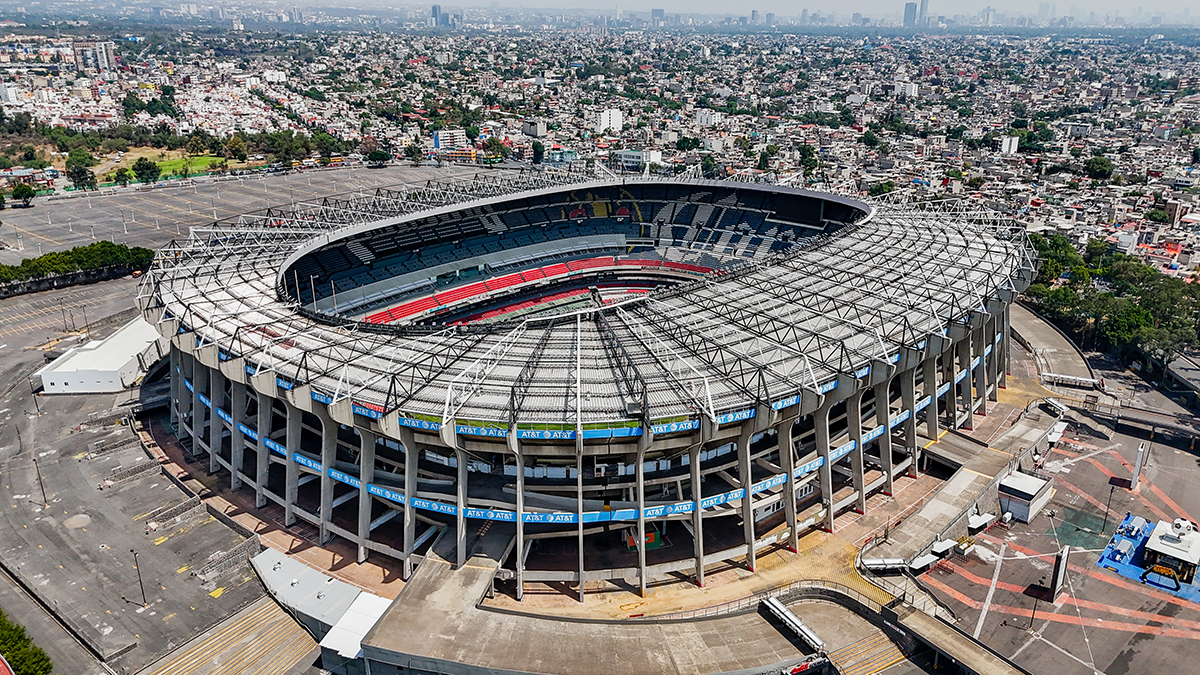
Close behind are the largest stadiums in the United States of America: Michigan Stadium in Ann Arbor (115,000) and Beaver Stadium in Pennsylvania (106,000), followed by the Azteca in Mexico City, which seats 105,000.

The next large football stadium, currently under construction in Morocco, The Grand Stade Hassan II in El Mansouria (38 km north of Casablanca), is also expected to seat 115,000 spectators. It is being designed, once again, by Populous, in collaboration with the Parisian firm Oualalou + Choi. Accredited to become “the largest stadium in the world”, it is set to host the 2030 FIFA World Cup final.
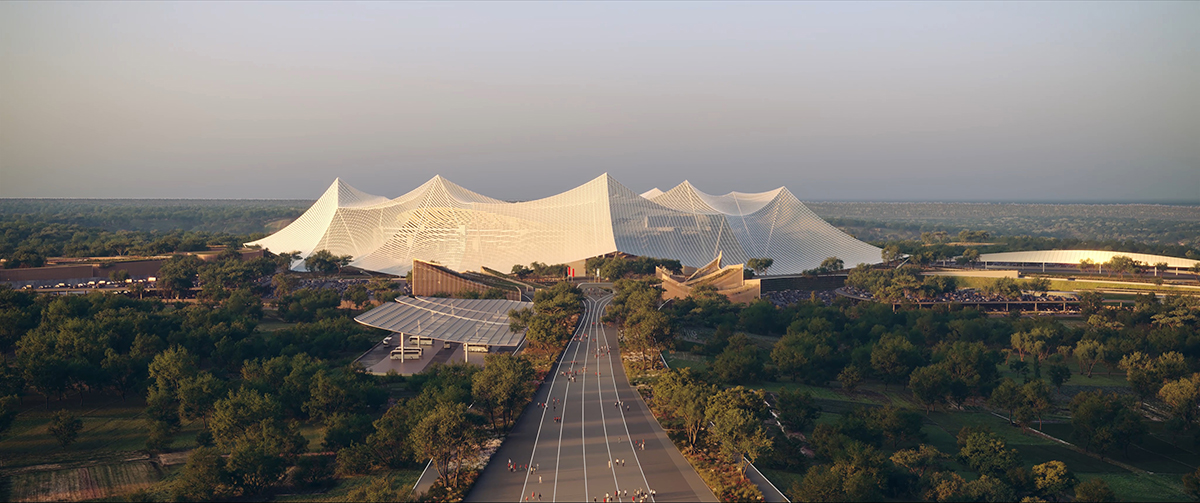
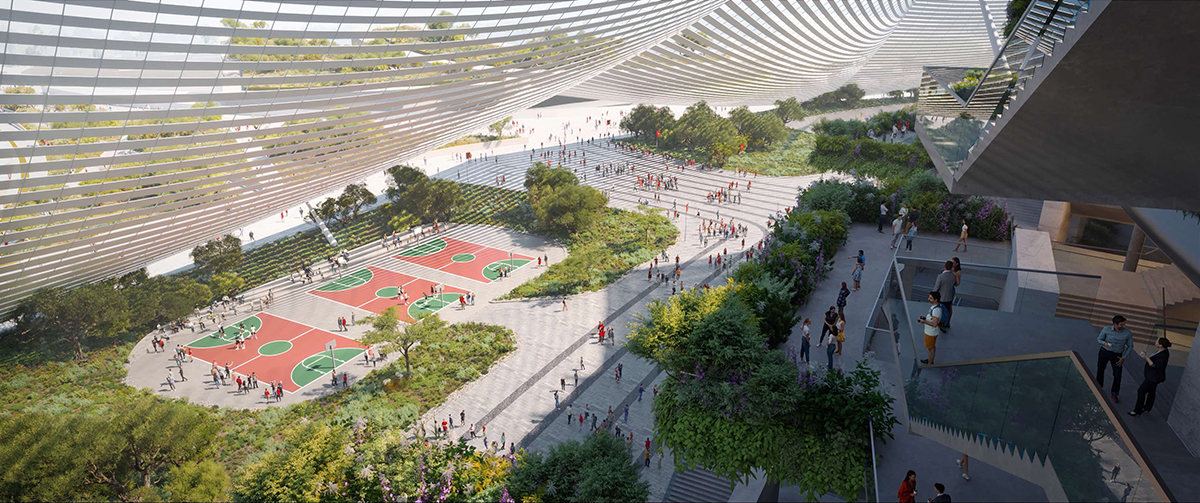
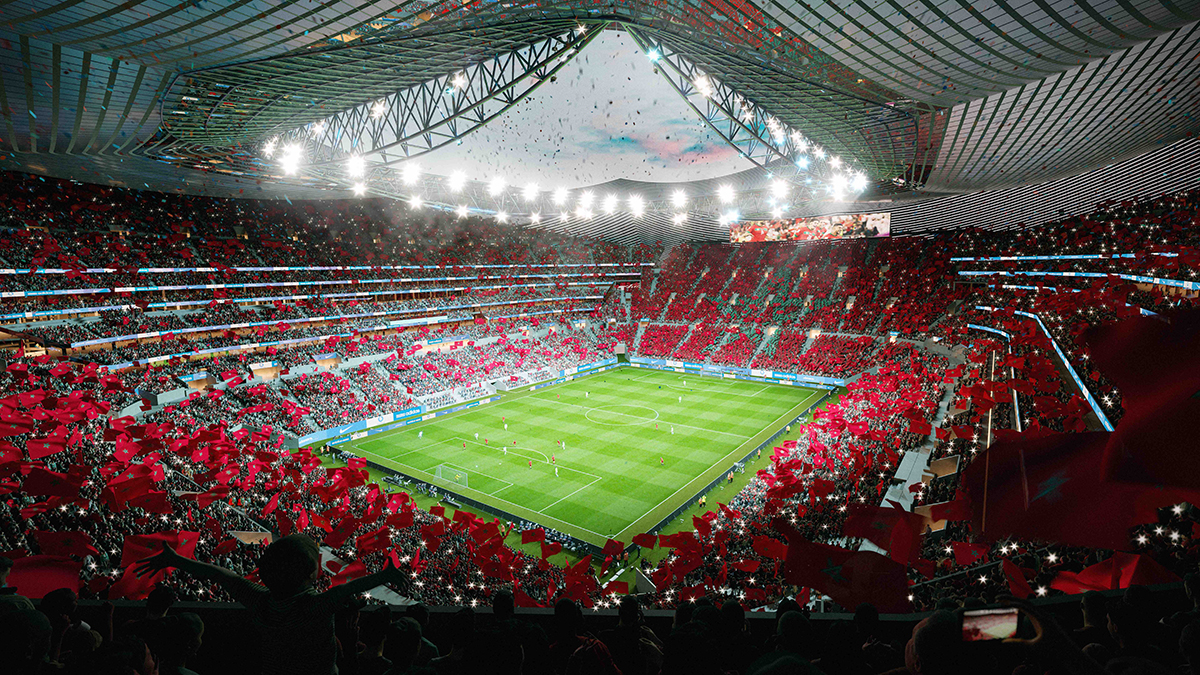
To reach the size of Italian stadiums, we need to go down to the 75,923 spectators planned for the Meazza in Milan. The plans to abandon the Meazza and build a new stadium do not envisage a capacity exceeding 71,500 spectators.
The other Italian stadium that comes close to this size is the Olimpico in Rome (70,634 seats); here too, the new stadium planned for the Pietralata area has a capacity of around 55,000 seats.
Large indoor arenas
The largest indoor arena in the world is the Philippine Arena in Ciudad de Victoria, about 30 km north of Manila, with a maximum capacity of 55,000 seats. Opened in 2014, the structure was once again designed by Populous.
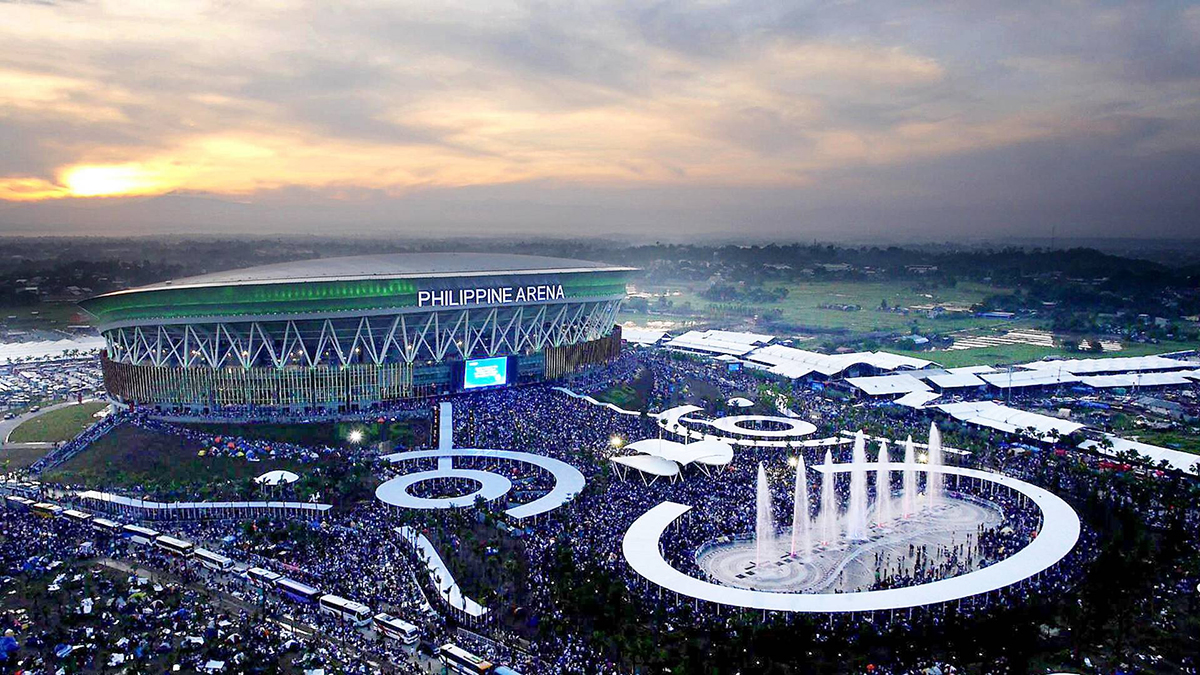
Far behind this record, the world’s largest arenas have just over 20,000 seats. The Mineirinho in Belo Horizonte (Brazil) has 25,000; the Saitama Super Arena in Japan and the SKA Arena in St Petersburg (Russia) have 22,500. Among the facilities with just over or just under 20,000 seats are a dozen US arenas where the NBA plays. Among these, we remember the United Centre of the Chicago Bulls (20,016 seats).
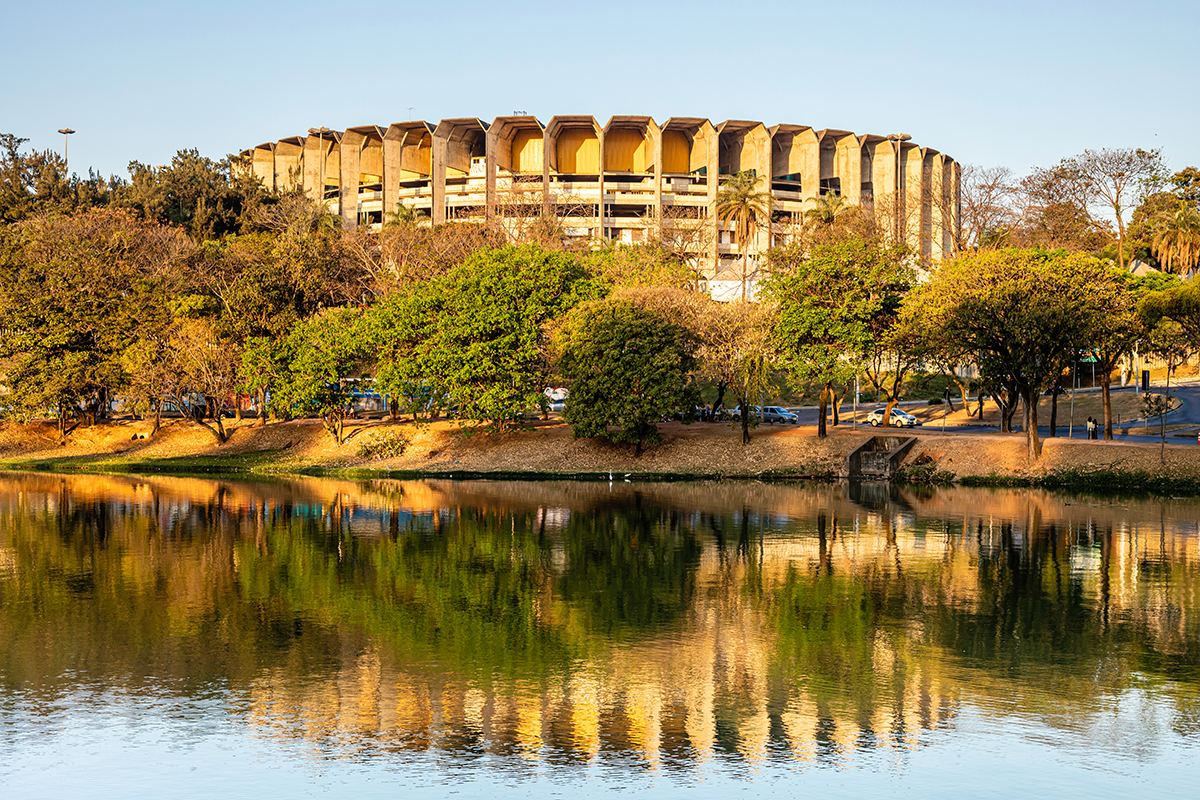
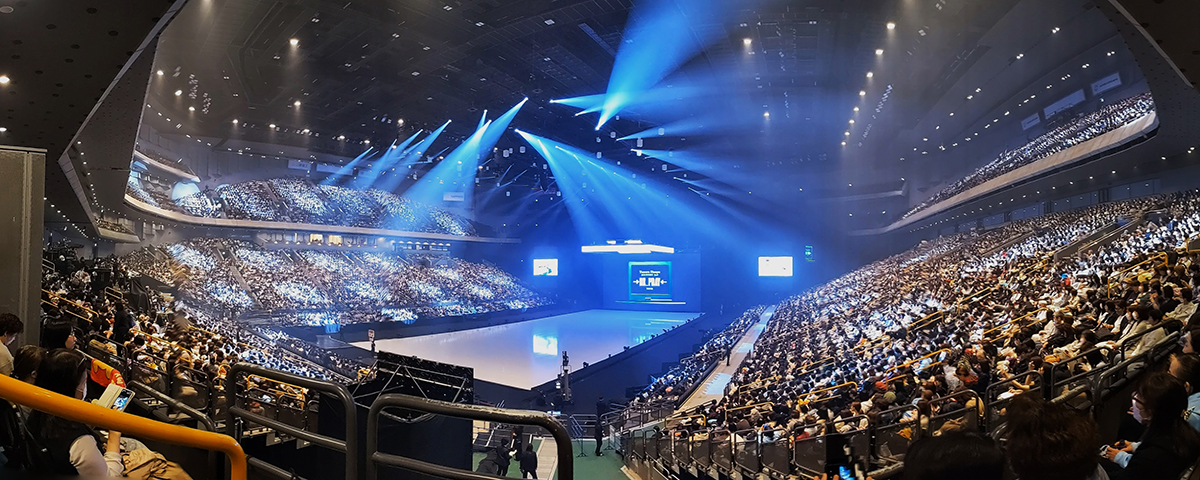
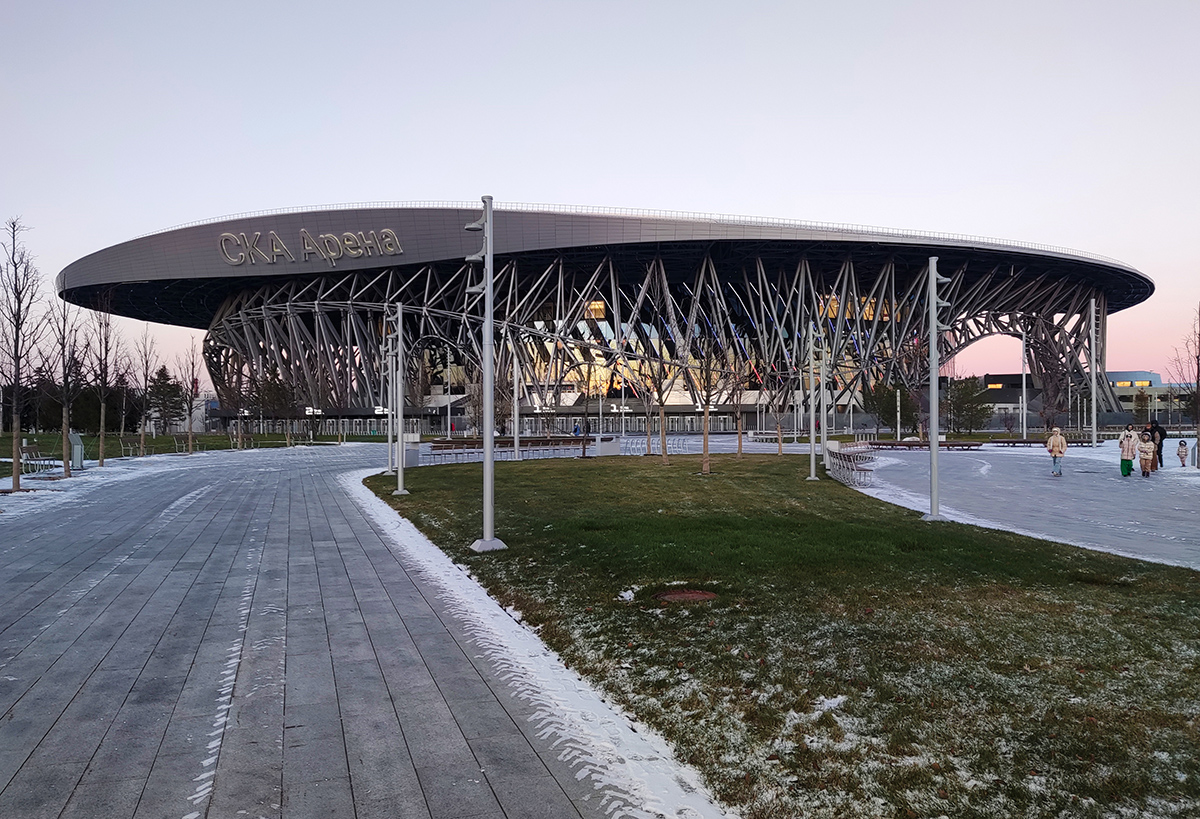
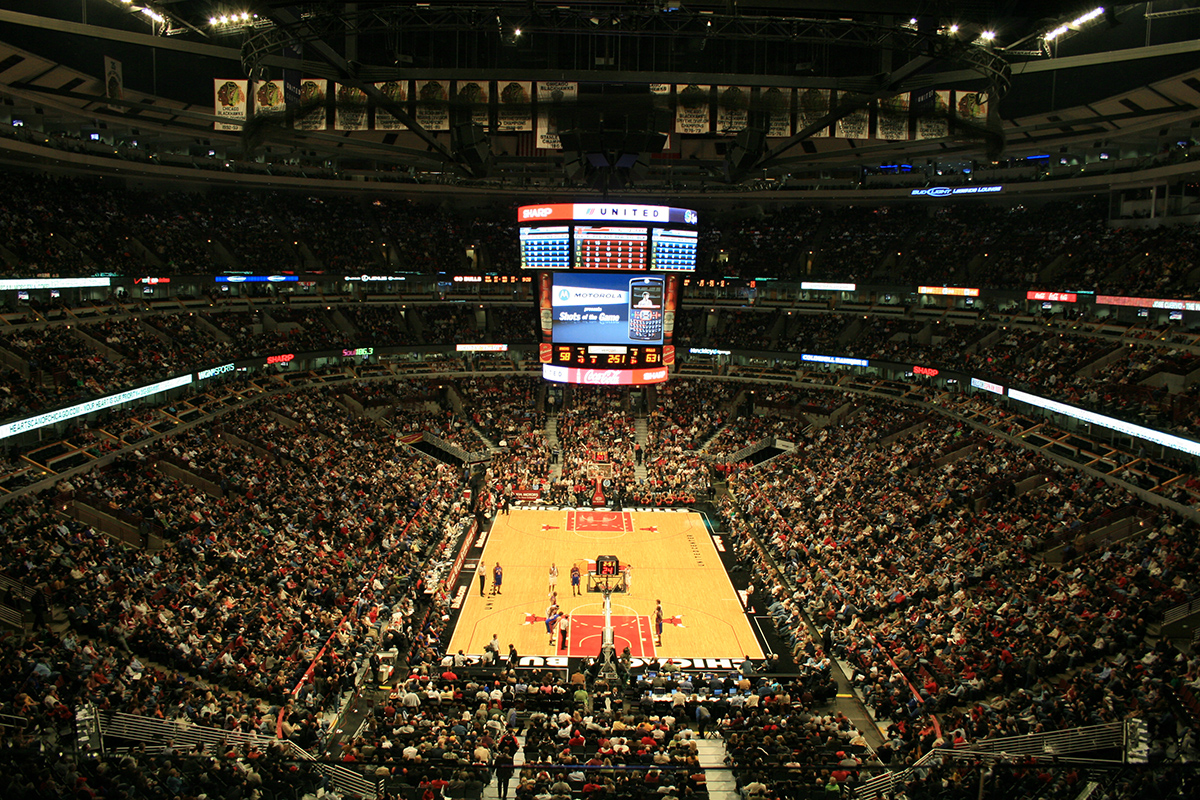
In Italy, the size of sports arenas is almost halved. The Palasport Olimpico in Turin stands out among them all. Originally named PalaIsozaki, it was built in 2005 for the ice hockey competitions of the 2006 Winter Olympics. Designed by Arata Isozaki with Arup, it had a capacity of 6,000, which could be expanded to 14,000 with the aid of mobile stands. Today, the facility is accredited for 15,607 spectators thanks to the expansion of the parterre.
Next in terms of size are the Forum di Assago (Milan) (12,331 seats), which is one of the venues for Milan-Cortina 2026, the Vitrifrigo Arena in Pesaro (12,323) and the PalaEUR in Rome (11,500).
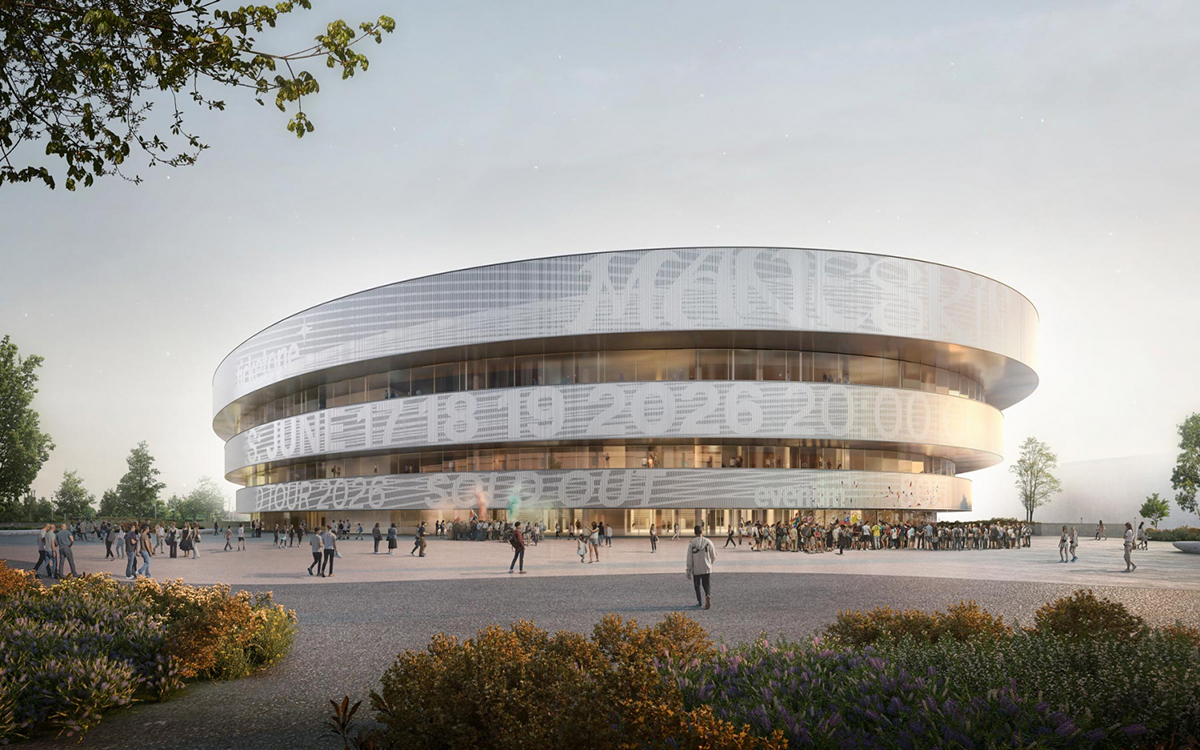
The ranking of the largest sports arenas in Italy could change in the near future when the facilities currently under construction are completed: the new Milano Santa Giulia Multipurpose Arena, designed by David Chipperfield with Arup, will have a capacity of 16,000 seats and will be used for ice hockey competitions at the next Winter Olympics.