
Some thoughts on sports for everyone—participants and spectators alike.
Democratic Sport
Also published in: Tsport 369
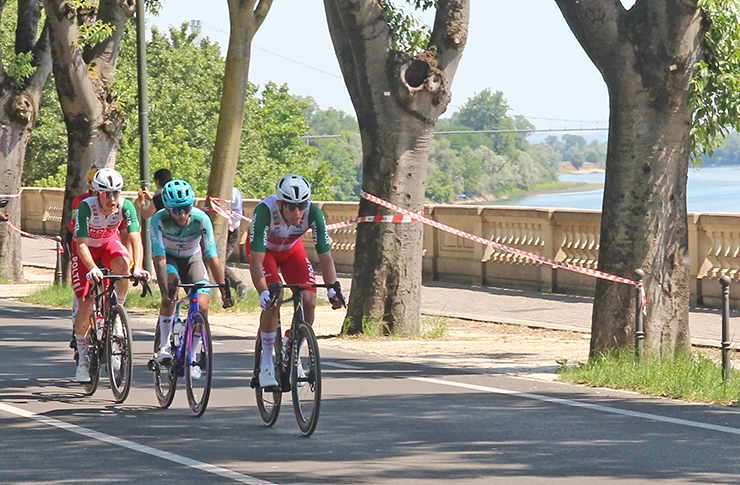
Pavia: Bais, Marcellusi, Maestri, and—somewhat hidden—Lavik, breaking away from the peloton on the Lungoticino Sforza during the 15th stage of the Giro d’Italia Voghera-Milan on May 24 (Photo BG/Tsport).
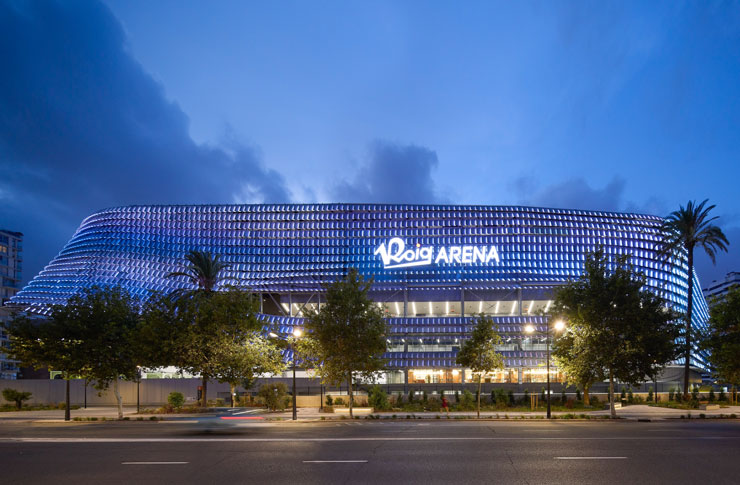
To echo a point made by Edwin Heathcote in the Financial Times on May 16, the Meazza Stadium at San Siro is a rare example of a “democratic” stadium, as it lacks the “myriad of luxury restaurants and VIP boxes typical of major Premier League clubs or U.S. stadiums,” even though this very shortcoming makes it a facility “not up to par” with the times and therefore destined for demolition.
From this perspective, which of the major sports can be said to be as “democratic” as cycling? There is no need for boxes or turnstiles; the Giro d’Italia (like all the other races and tournaments held everywhere during the summer) can be watched live—even if only for the few seconds it takes to pass by—simply by standing by the roadside at the right time.
Of course, it’s not as if professional cycling has abandoned the profit motive. So much so that for years now, the Giro has no longer consisted of stages linked together (arriving here and setting off from here the next day): instead, each stage is a standalone leg, with start and finish cities independent of those of the next stage. A city wishing to host a start pays the organization between 70,000 and 100,000 euros; the fee is double that to host a finish.
The fact that Italy’s roads are effectively the largest and most accessible sports facility one can imagine means that cycling can be considered a “democratic” sport—one that anyone can take up simply by owning a bicycle (the cost of which varies depending on one’s budget).
And this brings us back to the concept of “sport for all” represented by the letter “T” in the TSPORT masthead, as was recalled during the celebrations marking the 50th anniversary of its founding. The need to make spaces equipped for the widest possible variety of sports activities available to everyone, free of charge, is now widely recognized and is being implemented through various funding initiatives (using regional, national, and European funds) for the creation of outdoor playgrounds: a prime example is the “Illumina” project by Sport e Salute, which currently has 85 projects underway throughout Italy.
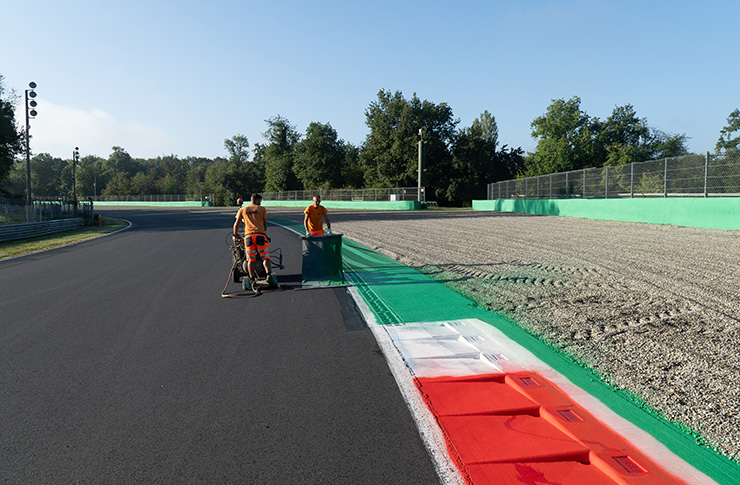
So here we have democratic sports. But take note: to watch the next Sunday’s Formula 1 Grand Prix race at Monza, you’ll pay anywhere from 317 euros for general admission without a reserved seat, up to 1,613 euros for a seat in the central grandstand on the starting grid.